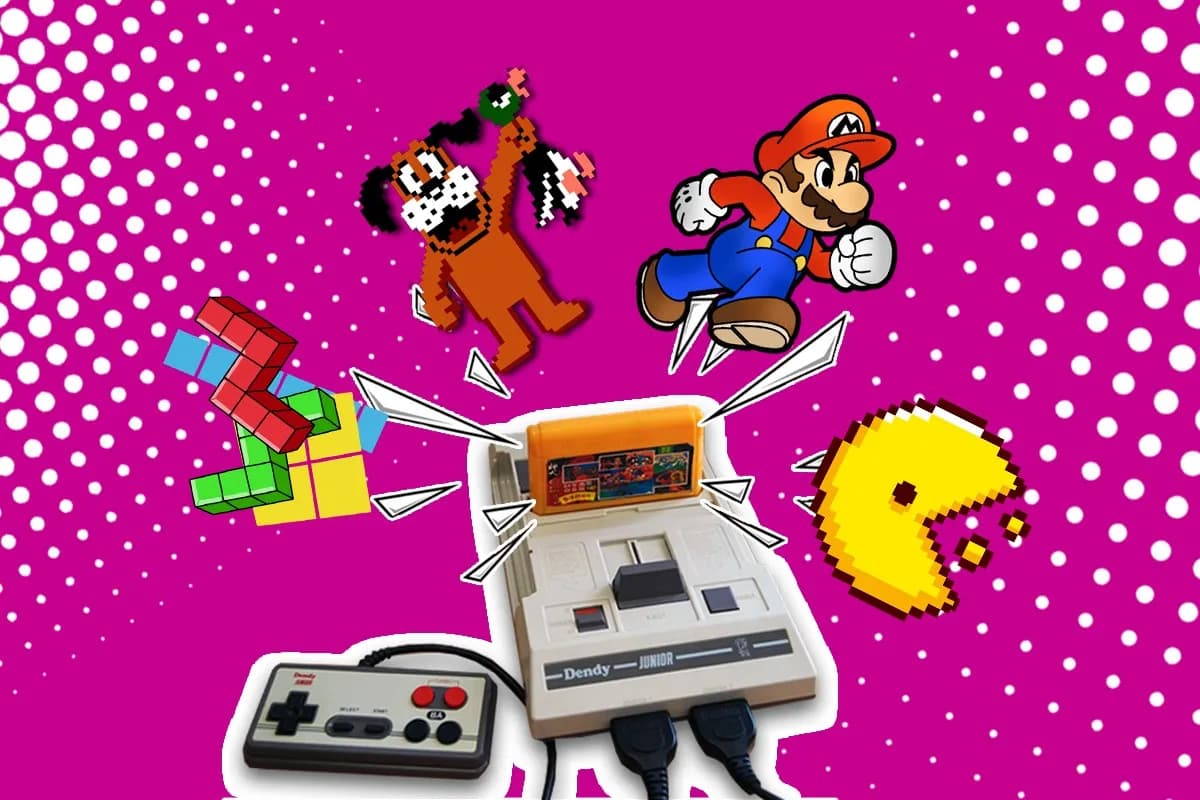
Those whose childhood fell on the 90s remember the thrill of Rainbow Road in Mario Kart or the shock of discovering secrets in Pokémon Red without any guide. Simple cartridges and discs forced players to learn patterns, try again, and improve. Winning felt like a real achievement.
Today, children juggle battle passes in Fortnite, spend real money on skins in Roblox, and live in a constant stream of notifications urging them not to miss the next limited-time event. The gap between eras is not only technological — it is psychological, experts told Newsweek.
Former teacher and licensed mental health counselor Veronica Lichtenstein recalls the deep satisfaction of winning 90s games — it felt like “a true accomplishment.” You earned it through effort. The brain responded with long-lasting satisfaction.
Many modern games turn this formula upside down. What looks “free” often hides microtransactions: $5 for a skin, $10 to shorten the grind. These systems deliberately create mild discomfort, so spending money feels natural. Games track every move and use algorithms to push reminders and “special offers.”
According to Lichtenstein, this creates a perfect loop for addiction. There is no real “end” — and no feeling of completion. She calls it “dopamine fast food”: quick hits of pleasure that vanish instantly, training children to rely on constant stimulation.
Experts are also concerned that modern games require little problem-solving. In the 90s, if you got stuck, you dug into a manual, phoned a friend, or failed repeatedly until it finally clicked. Today, the answer is a quick Google search.
Licensed clinical social worker Melissa Gallagher sees another issue: modern games blur boundaries, while 90s games strengthened them. Back then, play sessions had natural start and end points, and kids switched between running outside, talking, and gaming. Without social media pressure and ranking systems, the experience encouraged confidence — not comparison.
Modern games, she argues, encourage competition, rankings, and the feeling of not being good enough. Sleep suffers, and the mind becomes noisy. The philosophy of game design has shifted from enjoyment and completion to retention and monetization. Understanding this difference is essential for families making thoughtful choices.